Play the games

12 true stories

The greatest scams in history.

12 cons that fooled the world, how each one worked, and the one lesson in it for you.

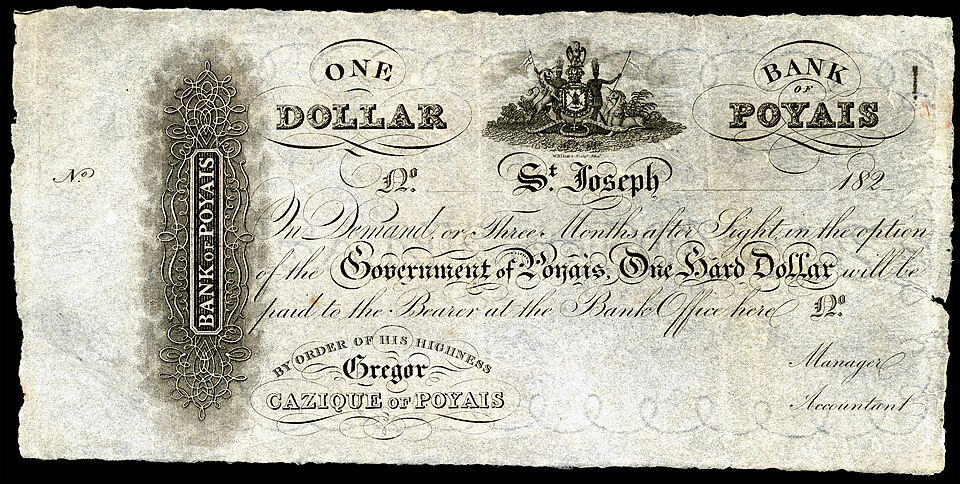
  1. A Bank of Poyais one dollar banknote from the 1820s.
    A Bank of Poyais dollar from the 1820s, printed for a country that never existed. Public domain (Smithsonian)

    1822

    Ran until 1823 · United Kingdom

    The country that didn’t exist

    A Scottish con man sold land in a country he’d made up, and hundreds of people sailed off to live there.

    How it worked

    1. 1He called himself the prince of Poyais, a rich new country in Central America.
    2. 2With maps, a flag and land grants, he sold plots of land and raised loans in London.
    3. 3Settlers sailed out expecting a capital city and a busy harbour. They found only wilderness.
    The haulTwo loans of £200,000 each, and more than 150 settlers dead

    What happened next: He fled to France, where he was jailed and then cleared. He later returned to Venezuela with a pension.

    The lesson Before you put money into something far away, check that it really exists.
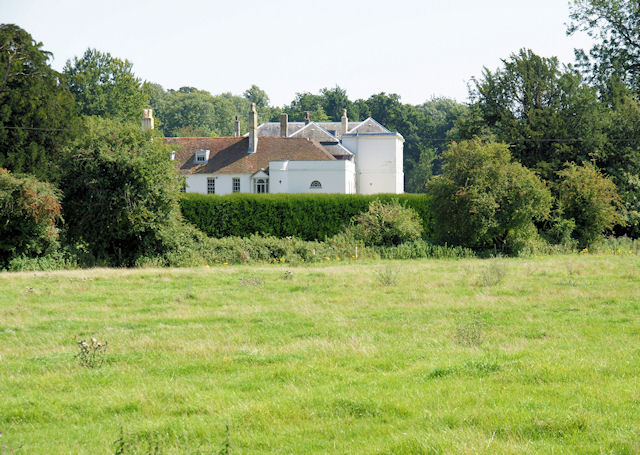
  2. Tichborne House, a large country house in Hampshire, seen from a minor road to the west.
    Tichborne House in Hampshire, the family seat the butcher tried to claim. Photo: Pierre Terre, CC BY-SA 2.0

    1866

    Australia and England

    The fake heir from Wagga Wagga

    A butcher living in Australia convinced a grieving English mother that he was her long lost son.

    How it worked

    1. 1Roger Tichborne, heir to an English title and fortune, was declared dead, presumed drowned.
    2. 2His mother kept hoping he was alive. A butcher in Australia answered an advert seeking Roger.
    3. 3He looked nothing like Roger and spoke no French, yet she accepted him as her son.
    The haulSome of the most followed trials in English legal history

    What happened next: In 1874 he got 14 years’ hard labour for perjury. He was freed in 1884 and later confessed.

    The lesson Scammers feed on hope. When a stranger offers exactly what you long for, check first.

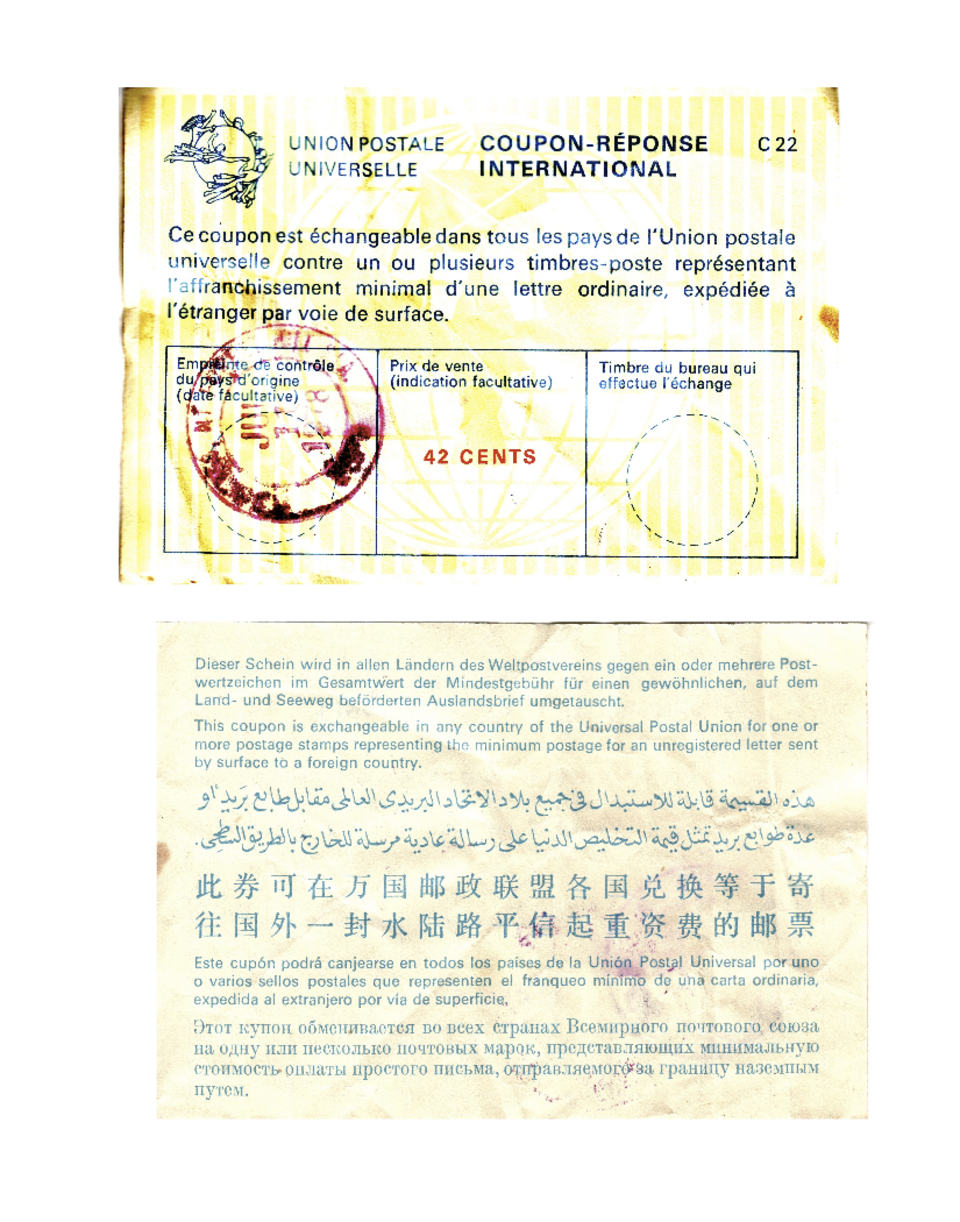
  3. An international reply coupon issued by the US Postal Service in 1978.
    A 1978 international reply coupon, the kind of postal voucher Ponzi said he traded. Public domain (US Postal Service)

    1920

    From December 1919 · United States

    The original Ponzi scheme

    A Boston businessman promised 50% profit in 45 days. A century on, the trick still carries his name.

    How it worked

    1. 1He said he’d buy postal reply coupons cheaply overseas and turn them into US stamps worth more.
    2. 2He promised 50% profit in 45 days, and the first investors really were paid.
    3. 3But those payouts came from newer investors’ money, so it was always going to collapse.
    The haul30,000 people invested more than US$10 million in seven months

    What happened next: The Boston Post exposed him in 1920. He pleaded guilty, served time and was deported to Italy.

    The lesson Big, fast, guaranteed returns are the oldest warning sign there is.

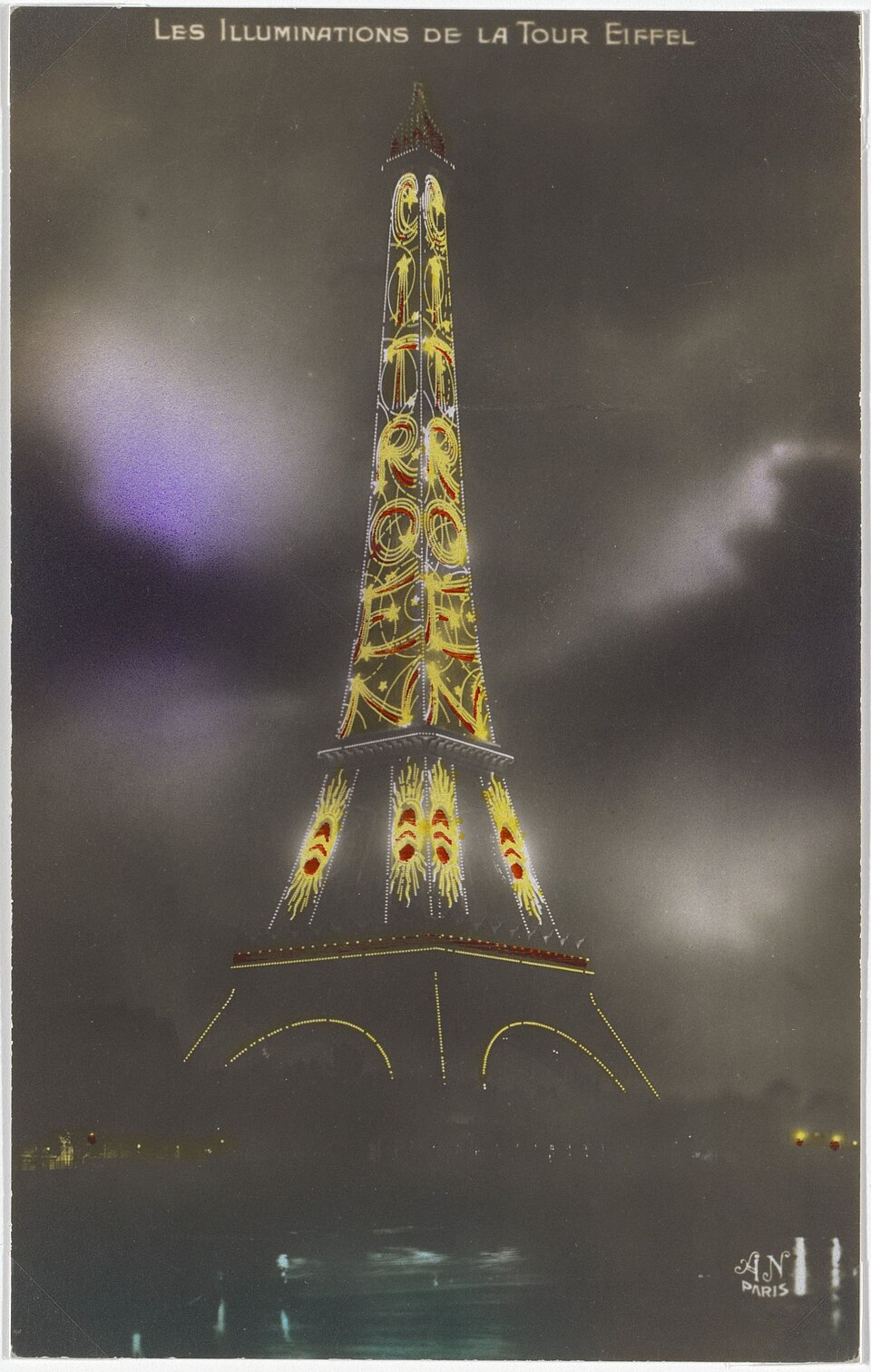
  4. A night photo postcard of the Eiffel Tower with the word Citroën spelled out in lights down the tower.
    The Eiffel Tower lit up with Citroën adverts around 1925, the year Lustig ‘sold’ it. Public domain (Rijksmuseum)

    1925

    France

    The man who sold the Eiffel Tower

    A smooth talker in a posh Paris hotel ‘sold’ the Eiffel Tower for scrap, and the buyer paid up.

    How it worked

    1. 1Posing as a government official, he told scrap dealers the tower was to be pulled down.
    2. 2He met them at a grand hotel, demanded total secrecy and hinted he’d take a bribe.
    3. 3The bribe made him seem real. One dealer paid, and within an hour Lustig was off to Austria.
    The haulUS$70,000 for a tower that wasn’t his to sell

    What happened next: The buyer was too embarrassed to tell police. Lustig later got 20 years in Alcatraz for forging money.

    The lesson If a deal has to stay secret, be suspicious. Secrecy stops you checking with anyone.

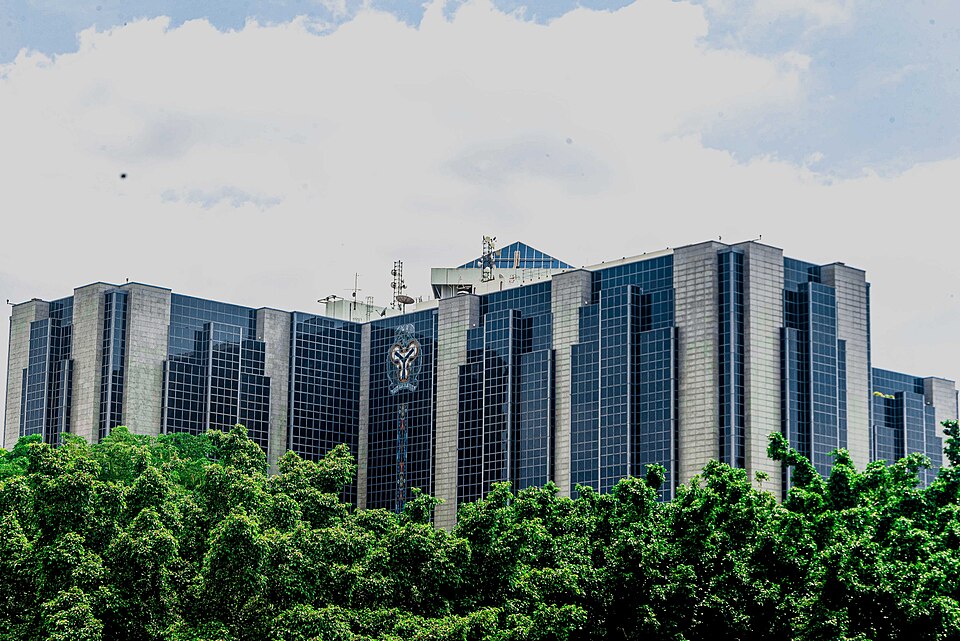
  5. The Central Bank of Nigeria headquarters building in Abuja.
    The Central Bank of Nigeria in Abuja. The gang’s forged papers used its name. Photo: MediaMOF, CC BY-SA 4.0

    1995

    Ran until January 1998 · Nigeria and Brazil

    The fake airport that fooled a bank

    The ‘Nigerian prince’ trick sounds silly. One letter like it got a bank worker to send over US$190 million.

    How it worked

    1. 1A letter from a fake Nigerian official offered a Brazilian bank worker 40% of a US$39 million deal.
    2. 2The deal was for a new airport in Abuja, with papers that looked official. All were forged.
    3. 3Every step needed another ‘tax’ paid upfront, and the promised sum kept on growing.
    The haulOver US$190 million handed to the fraudsters

    What happened next: In 2005 a Lagos court convicted the gang and ordered US$110 million handed back to the victims.

    The lesson If you have to pay a fee to unlock a fortune, it’s a scam. Every single time.

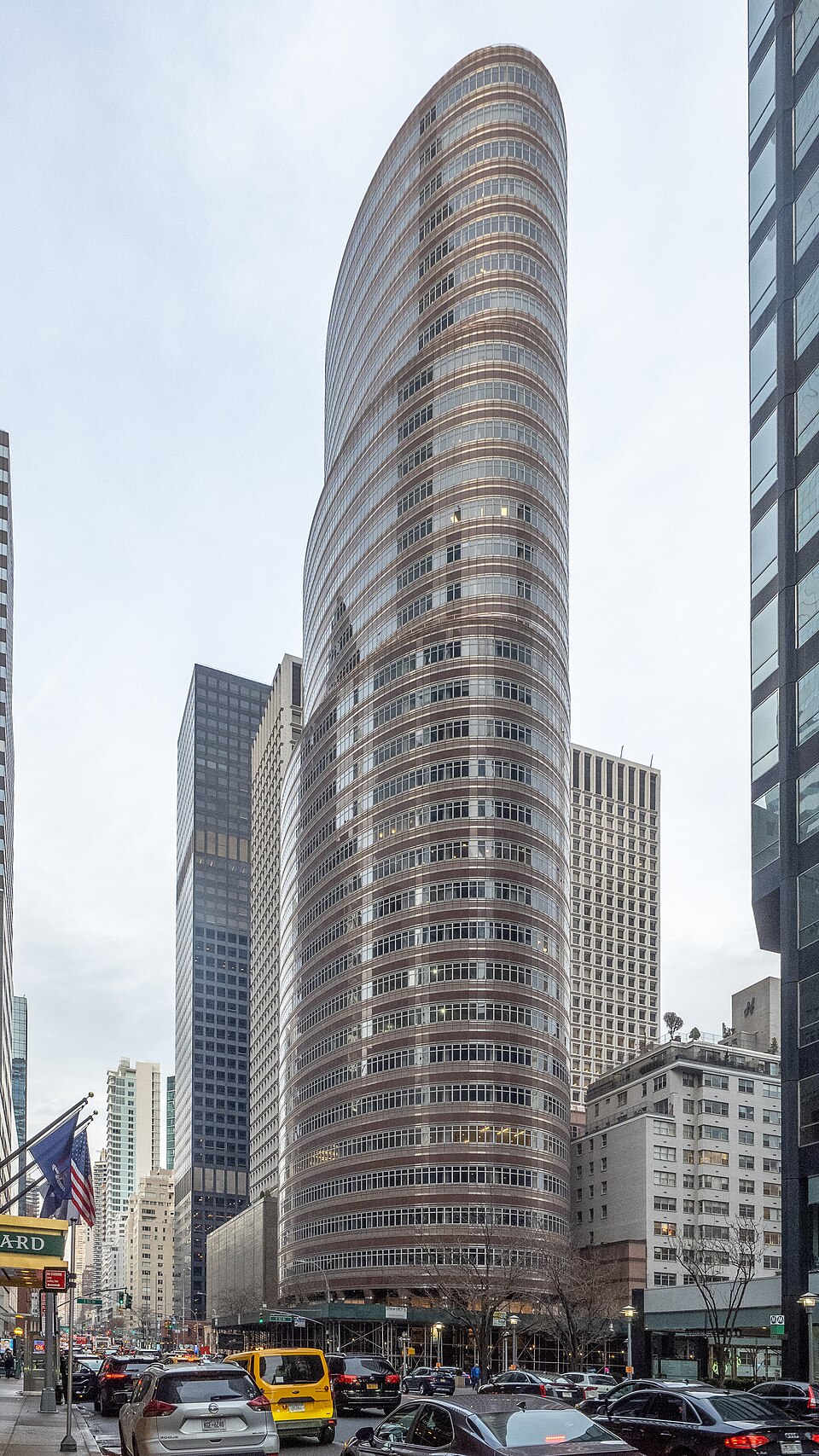
  6. The Lipstick Building, an oval office tower of reddish stone on Third Avenue in New York.
    The Lipstick Building in New York, where Madoff ran his firm. Photo: ajay_suresh, CC BY 2.0

    2008

    December · United States

    Bernie Madoff’s fake fortune

    Thousands trusted a Wall Street money man with their savings. It was all a giant Ponzi scheme.

    How it worked

    1. 1People in many countries gave him their savings to invest, some through other funds.
    2. 2Anyone wanting money out was paid with cash from newer investors. That’s a Ponzi scheme.
    3. 3It went unnoticed for years, until he confessed to his sons in December 2008.
    The haulA fraud estimated at up to US$64.8 billion

    What happened next: He got 150 years in prison and died there in 2021. A US fund paid US$4.3 billion back to victims.

    The lesson Even a respected name can be a fraud. Never trust all your savings to one person.

  7. A green kiwi fruit smoothie.
    Healthy eating was her whole brand. The cancer story behind it was made up. Photo: rawpixel.com, CC0

    2013

    Ran until 2015 · Australia

    The wellness star who faked cancer

    An Aussie wellness star said healthy living cured her brain cancer. She never had brain cancer.

    How it worked

    1. 1She told fans she’d had terminal brain cancer and that healthy living had cured it.
    2. 2Her recipe app, The Whole Pantry, got 200,000 downloads in a month, and a cookbook followed.
    3. 3She promised charities a share of the money, but only 2% was ever donated.
    The haul200,000 app downloads in one month, all built on a lie

    What happened next: In 2017 a court fined her A$410,000. Authorities have since raided her home twice to collect.

    The lesson Miracle cures online are a red flag. Check any health claim with your own doctor.

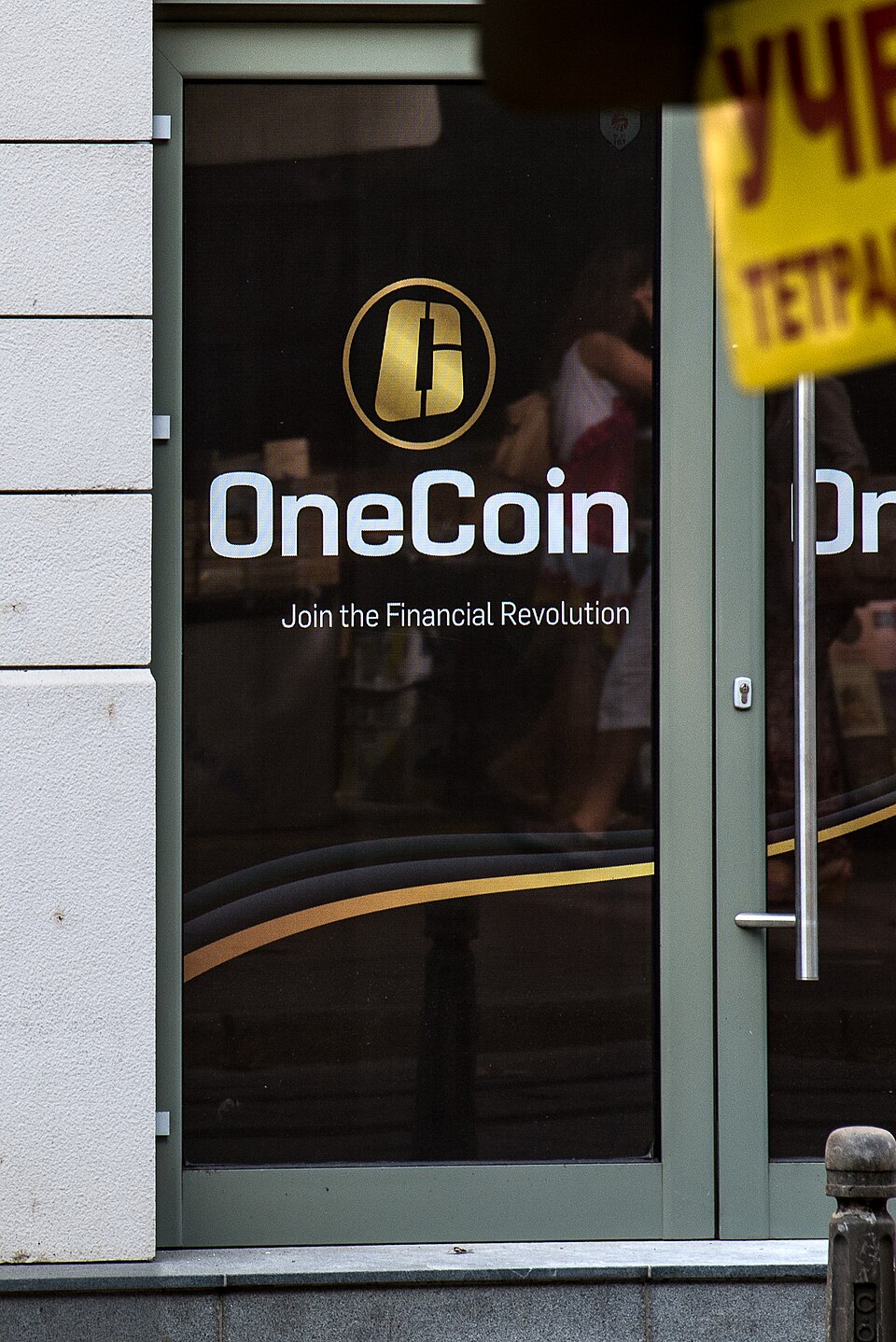
  8. The OneCoin logo on a glass office door in Sofia, Bulgaria.
    The OneCoin logo on the door of its office in Sofia, Bulgaria. Photo: Ronny Martin Junnilainen, CC BY-SA 3.0

    2014

    Ran until 2017 · Worldwide

    OneCoin, the crypto that never was

    The self styled ‘Cryptoqueen’ sold millions of people a digital coin that was worthless, then vanished.

    How it worked

    1. 1OneCoin was sold as the next big digital currency by sellers paid to recruit others.
    2. 2The company simply made up the price, and it only ever went up.
    3. 3Buyers watched their ‘coins’ grow on screen, but they were entirely worthless.
    The haulMore than US$4 billion from at least 3.5 million victims

    What happened next: Her cofounder got 20 years in a US prison. She flew to Athens in 2017 and hasn’t been seen in public since.

    The lesson If the only proof an investment works is the seller’s own website, walk away.

  9. The sea and a small island off the northeast coast of Great Exuma in the Bahamas.
    Great Exuma in the Bahamas, the island where the luxury festival was due to be held. Photo: Rüdiger Stehn, CC BY-SA 2.0

    2017

    April · Bahamas and US

    The luxury festival that never was

    Celebrities hyped a luxury island festival. Guests found disaster relief tents and cheese sandwiches.

    How it worked

    1. 1Big social media stars promoted a glamorous festival on a Bahamas island for April 2017.
    2. 2Fans paid thousands of dollars for tickets and places to stay. There was no concert.
    3. 3Behind it, the founder lied to investors about how much money his business made.
    The haulOver US$26 million lost in two separate frauds

    What happened next: Founder Billy McFarland pleaded guilty to fraud and was sentenced to six years in prison.

    The lesson Celebrity hype isn’t proof. Check who’s behind something before you hand over money.

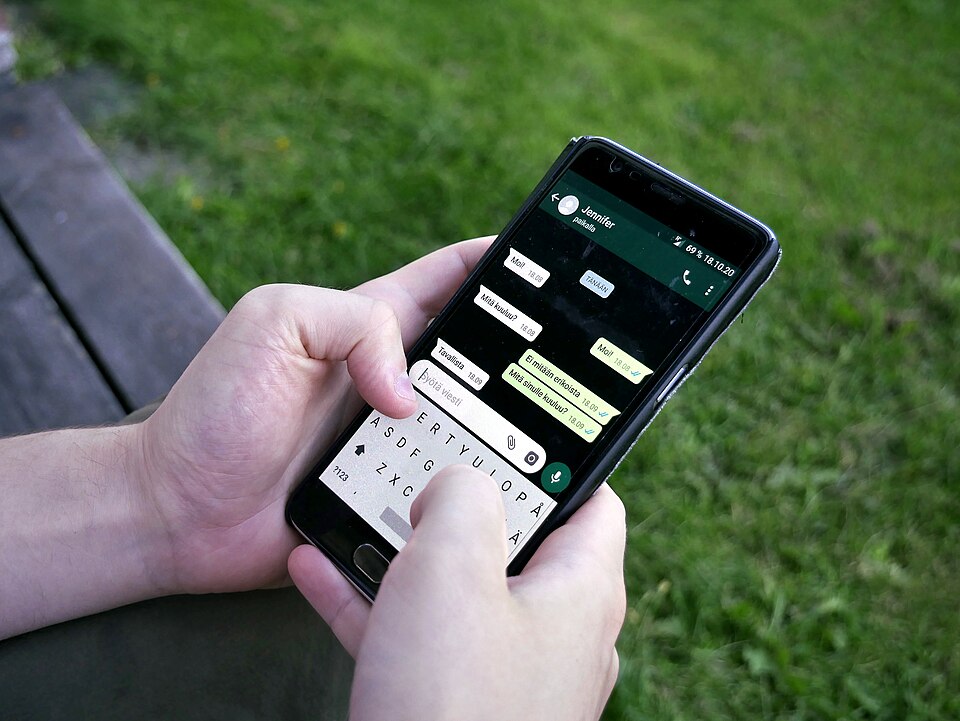
  10. A smartphone showing a WhatsApp chat, held outdoors.
    A phone chat. ‘Hi Mum’ scams start with a friendly message from a new number. Photo: Santeri Viinamäki, CC BY-SA 4.0

    2022

    Australia

    The ‘Hi Mum’ text wave

    ‘Hi Mum, I lost my phone. This is my new number.’ It seemed just like your kid. It wasn’t.

    How it worked

    1. 1A text or WhatsApp from an unknown number says it’s your child, writing from a new phone.
    2. 2After a friendly chat, they say they’re locked out of their online banking for now.
    3. 3Then comes the ask: could you quickly pay a bill or send them some money?
    The haulOver 11,000 reports and more than A$7.2 million lost in 2022

    What happened next: In January 2023 Victoria Police charged a man over the scams after investigating for six weeks.

    The lesson Got a ‘new number’ text? Call your child on the number you already have before paying.

  11. Office towers in Hong Kong’s Central district lit up at night.
    Hong Kong’s Central district at night. The fake call hit Arup’s office in the city. Photo: iqremix from Canada, CC BY 2.0

    2024

    January · Hong Kong

    The deepfake video call

    Every face on the video call looked and sounded like his bosses. Not one of them was real.

    How it worked

    1. 1A finance worker at engineering firm Arup got a message from ‘head office’ about a secret deal.
    2. 2He had doubts, until a video call where the finance chief and colleagues all looked right.
    3. 3Each one was a deepfake, a fake made with AI. He made 15 transfers before the truth came out.
    The haulHK$200 million, about US$25.6 million

    What happened next: Arup confirmed fake voices and images were used, and said none of its systems were hacked.

    The lesson A face on a screen isn’t proof. Check any urgent money request by calling a number you know.

  12. A view over Sihanoukville, a port city in southern Cambodia, in 2014.
    Sihanoukville in Cambodia, a city that later became a hub for scam compounds. Photo: Dmitry Makeev, CC BY-SA 4.0

    2025

    October · Cambodia

    The US$15 billion pig butchering bust

    That friendly stranger online could be a trafficked worker in a guarded scam compound.

    How it worked

    1. 1A friendly stranger messages you, wins your trust, then talks up a crypto investment.
    2. 2It’s called ‘pig butchering’: fatten you up with trust, then take your life savings.
    3. 3US prosecutors say Prince Group ran such scams from forced labour camps in Cambodia.
    The haulUS$15 billion in crypto seized by the US

    What happened next: In January 2026 Cambodia arrested the alleged boss, Chen Zhi, and sent him to China. His company denies it.

    The lesson Never take investment tips from someone you’ve only met online. Ever.

The greatest hacks in history.

Same idea, the other side of the story.

Read it

Stay unscammable.

Get a weekly email with scam and hack stories you wouldn’t believe.